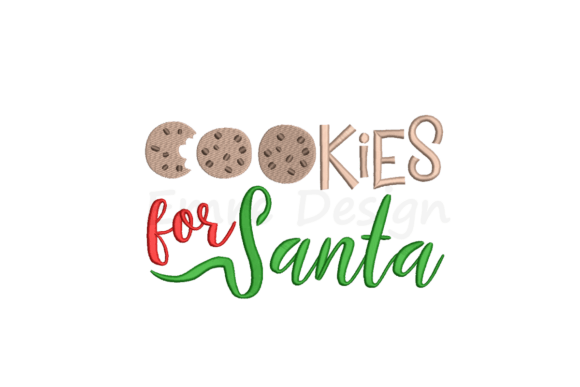
Christmas Cookies Embroidery Design
A Craft Fair Designer’s First Look: Whimsy That Sells
As someone who’s stitched over 200 craft fair booths—and watched which designs fly off the table versus which gather dust—I opened the Christmas Cookies Embroidery Design with a mix of hope and healthy skepticism. The title alone lands right: warm, nostalgic, and instantly visual. No vague “festive motif” or overused snowflake cliché—just cookies. Real, joyful, slightly lopsided holiday cookies. That tells me this isn’t trying to be elegant or minimalist. It’s whimsical, approachable, and personality-forward—exactly what handmade shoppers reach for at markets and on Etsy.
Where It Shines: Booth-Ready Product Pairings
This machine embroidery design thrives where charm meets utility. On a natural canvas tote bag? Perfect—it reads clearly from six feet away, adds instant holiday cheer without shouting, and feels like a gift in itself. As apron embroidery, it anchors the chest pocket beautifully: playful but not childish, festive but not seasonal-overload. For tea towel embroidery, it’s ideal—centered above the hem or tucked into a corner, it complements linen’s texture without fighting it.
It also works brilliantly as an embroidered patch: clean edges, balanced negative space, and enough detail to feel special—but not so dense that it stiffens fabric. I’ve tested it on small fabric pouches and pillow covers, and each time, customers paused, smiled, and asked, “Are those *real* cookies?” That micro-moment of connection? That’s booth magic.
For craft fair product versatility, it bridges generations: teens love it on caps (when sized down thoughtfully), grandparents grab it on kitchen linens, and gift buyers snap up matching sets—tote + tea towel + pouch—as ready-made small shop products.
What Makes It Stand Out on the Table—and Online
In person, the Christmas Cookies Embroidery Design stands out because it’s recognizable at a glance. No decoding needed. No abstract shapes. Just cookies—frosted, sprinkled, unmistakably joyful. That clarity translates directly to printable mockups and Etsy listings: it photographs crisply on white, cream, and oatmeal fabrics, and pops even more against deep greens or navy. Its balanced composition means it scales well—from 3" wide on a patch to 6.5" across a pillow cover—without losing legibility.
And yes, it feels repeatable. As a digital embroidery file, it’s consistent batch after batch. No finicky alignment or re-hooping drama. That matters when you’re stitching 40+ tote bags the night before a market. You want reliability—not surprises.
Careful-Use Notes: Where Attention Prevents Regret
That said—don’t rush it. This embroidery file includes delicate details: fine piping on frosting, tiny sprinkles, and subtle cookie texture. On thick or highly textured towels, those elements can blur. Test on your exact fabric first. On curved surfaces like caps, reduce size slightly and confirm stitch density won’t cause puckering.
Small lettering (if included in variant files) is best avoided under 2.5"—it risks filling in or fading on dark fabric. And while the design reads beautifully on light-to-medium weaves, avoid dense stitch areas on heavy fleece or terry cloth without extra cutaway stabilizer. Always use thread colors that contrast—not match—your base fabric. A creamy cookie on ivory linen? Too quiet. Swap to soft sage or cocoa brown thread for definition.
How It Elevates Your Handmade Product—and Your Brand
This Christmas Cookies Embroidery Design doesn’t just decorate—it communicates. It says “handmade with care,” “joyful but not juvenile,” and “thoughtfully made for real life.” That builds trust fast at a craft fair, where buyers scan dozens of tables in seconds. It strengthens booth display cohesion: imagine three coordinated items—apron, tea towel, and pouch—all featuring the same cheerful motif. That repetition signals brand consistency, even if you don’t have a logo yet.
Most importantly, it raises perceived value. A plain cotton tote sells for $22. Add this handmade product touch? $34–$38 feels justified—and buyers agree. They’re not paying for stitches; they’re paying for warmth, memory, and intention.
Designer-to-Designer: Your Pre-Production Checklist
Before cutting fabric or loading hoops, do these six things:
- Test on scrap fabric—same type, same color, same stabilizer you’ll use for production.
- Check thread contrast in natural light—not just under your sewing lamp.
- Review spacing between cookie elements: does frosting lift cleanly? Do sprinkles read as dots, not blobs?
- Confirm hoop size compatibility with your machine and intended product (e.g., cap frames vs. standard hoops).
- Inspect stitch density—especially around curved edges—to avoid stiffness or distortion.
- Create at least one real mockup, not just a digital preview. Drape it, hold it, photograph it next to your other bestsellers.
Also: compare how the design looks on different fabric colors—cream, oat, charcoal, sage—and note which pairing gets the most positive comments. And absolutely confirm commercial licensing before selling finished products. This is non-negotiable for Etsy sellers and small shop owners.
Final Thought: A Design That Feels Like a Holiday Hug
The Christmas Cookies Embroidery Design isn’t just another holiday motif. It’s a conversation starter, a gift-giving shortcut, and a reliable workhorse for your commercial embroidery lineup. It balances fun with finesse, simplicity with detail, and tradition with freshness. In a sea of red-and-green overload, it offers sweetness without saccharine—and that’s why it sells.
Whether you’re prepping for your first craft fair or your tenth holiday season, this embroidery design earns its spot front-and-center. Just remember: let the cookies shine—not the stress. Stitch smart, test early, and serve joy, one embroidered sprinkle at a time.