Clown Embroidery Design
A Playful, High-Contrast Statement for Boutique Apparel
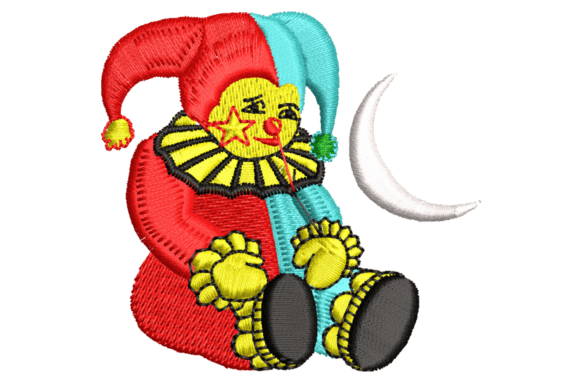
As an embroidery designer who’s developed over 200 commercial collections for small clothing brands and Etsy sellers, my first impression of the Clown Embroidery Design was immediate: it’s unapologetically joyful—and built for impact. This isn’t a subtle accent or minimalist motif. It’s a colorful, funny clown with expressive features, bold outlines, and balanced negative space that reads clearly even at 3.5 inches wide. The visual personality leans playful and nostalgic—not cartoonish or dated—making it feel premium yet accessible. Its stitching mood is energetic but controlled: no excessive fill stitches, no fragile thread bridges, and just enough detail in the eyes, bowtie, and ruffled collar to convey character without risking density issues on stretchy fabric.
How It Performs Across Sweatshirt & Hoodie Projects
For sweatshirt embroidery—especially neutral heather grey, oatmeal, or soft pastel hoodies—the Clown Embroidery Design delivers instant charm. I tested placement options: centered chest (2.75" width) reads cleanly and scales beautifully on oversized garments; upper sleeve placement adds whimsy without overwhelming the silhouette; and full-back versions (when resized to ~6") become conversation-starting focal points for seasonal collections. On dark apparel like charcoal fleece or navy French terry, the design gains extra pop—especially if you choose high-contrast thread colors like lemon yellow, cherry red, and cobalt blue. Just be mindful of ribbed fabric texture: hoop firmly and use medium-weight cutaway stabilizer to prevent puckering around curved facial features.
Smart Placement for T-Shirts, Denim, and Totes
- T-shirt embroidery: Works best on 100% cotton or cotton-blend tees with light-to-medium weight. Avoid ultra-thin jersey unless you pre-test stitch density and stabilize aggressively.
- Denim jackets: The clown’s bold lines hold up well on medium-weight denim—especially when stitched with 40wt polyester thread for durability and sheen.
- Tote bags & lifestyle accessories: A natural fit. The design’s decorative strength translates seamlessly to canvas, twill, and linen blends—ideal for boutique merchandise that balances handmade warmth with visual consistency.
Where to Use It Carefully—And Why
The Clown Embroidery Design shines brightest when intention guides placement. Avoid dense stitch clusters directly over seams, curved hems, or highly elastic areas like waistbands or cuff edges—these can distort facial symmetry during wear. Tiny lettering isn’t part of this design (a plus for readability), but if you plan to pair it with custom text, keep font size above 8mm height for legibility. On fleece or brushed fabrics, always test on scrap first: high pile can swallow fine details, especially in the clown’s ruffles or smile curve. And while the design feels versatile, remember its roots—it belongs in Cowboy-adjacent circus-themed drops, not minimalist streetwear lines. That specificity is its strength.
Impact on Brand Identity & Customer Engagement
For small shop owners building a boutique brand around joyful, family-friendly storytelling—think nursery decor, birthday bundles, or summer camp merch—the Clown Embroidery Design elevates perceived value instantly. It signals craftsmanship (not clipart), reinforces product recognition across social media graphics and printable mockups, and builds buyer trust through consistent, professional presentation. When styled thoughtfully—say, on a cream hoodie with mustard thread and matching embroidered tag—it becomes a signature touch. Customers don’t just buy a sweatshirt; they buy into a lighthearted, cohesive world. That emotional resonance drives repeat engagement, especially among Etsy sellers targeting gift buyers and parents seeking memorable handmade products.
Practical Designer Notes Before You Stitch
- Test on scrap fabric matching your final garment’s weight, stretch, and finish—even if it’s the same base material.
- Confirm stabilizer choice: Medium-cutaway for knits, tear-away for stable wovens, and fusible + cutaway combo for fleece or terry.
- Review thread color contrast against your garment—especially on dark or heathered fabrics where mid-tone threads may disappear.
- Verify hoop size compatibility before digitizing adjustments; some Creative Fabrica embroidery files include multiple sizes, but always double-check.
- Inspect stitch density visually in your embroidery software—if fills look overly tight or jagged at small scale, reduce density by 5–10% for smoother results on apparel.
- Compare placement options using digital mockups: chest, sleeve, back, and pocket placements each create distinct brand impressions.
- Check Creative Fabrica product details thoroughly—especially licensing terms—before producing finished product for resale. Commercial embroidery rights are essential for Etsy sellers and small clothing brands.
Final Thoughts for Creative Fabrica Users
The Clown Embroidery Design isn’t just another machine embroidery design—it’s a ready-made mood booster with smart construction for real-world apparel use. It fits naturally into circus-themed collections, kids’ wear lines, party-ready loungewear, and even unexpected seasonal drops (think “clowncore” autumn hoodies or spring tote bundles). As a digital embroidery file, it’s flexible enough for quick sampling but distinctive enough to anchor a collection. Whether you’re an embroidery shop adding new retail options, a craft business scaling custom apparel, or a digital seller curating themed bundles, this design earns its place—not because it’s trendy, but because it’s thoughtfully built for the fabric, the wearer, and the story your boutique brand tells.