Sketch Pug Dog Embroidery Designs
A Designer’s First Look: Charm Without Clutter
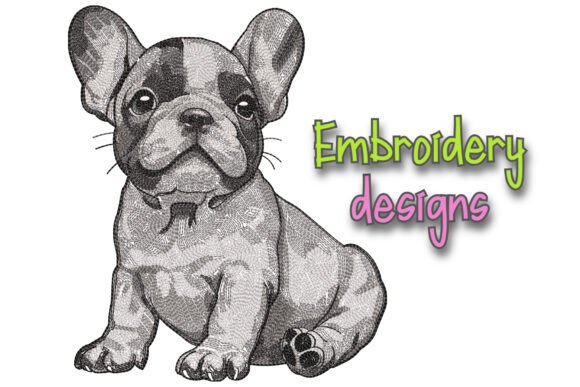
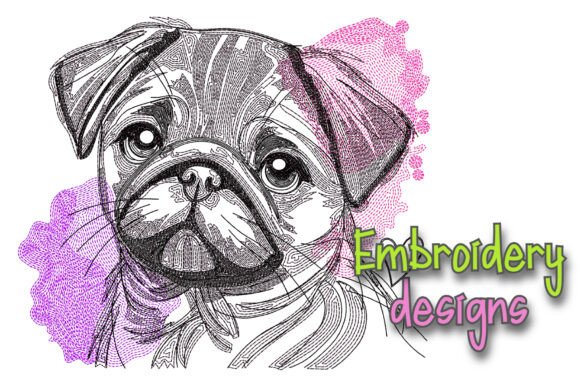
When I opened the Sketch Pug Dog Embroidery Designs file, what struck me first wasn’t technical precision—it was personality. The sketch-style line work feels loose and affectionate, like a quick, loving doodle of a pug mid-sigh. There’s no heavy satin stitch outlining or over-engineered detail; instead, expressive curves define the wrinkled forehead, round eyes, and curled tail. It’s not photorealistic—it’s character-driven. That makes it ideal for handmade products where warmth and authenticity matter more than clinical accuracy. As a designer who regularly sources embroidery files for client projects, I immediately pictured this on a linen tea towel for a dog-loving boutique, or stitched simply onto a cotton baby onesie as a quiet, thoughtful detail.
Where This Design Truly Shines
I tested Sketch Pug Dog Embroidery Designs across several real project types—and it consistently excelled in contexts that value approachability over formality. On a heavyweight organic cotton tote bag? Crisp, friendly, and instantly legible at 3.5 inches. On a soft fleece-lined sweatshirt? The open sketch lines prevented bulk while still reading clearly from three feet away. For a small-batch run of embroidered patches meant to be ironed onto denim jackets? It held up beautifully—no dense fill areas to stiffen the fabric, and the running-stitch–leaning outlines gave it subtle texture without snagging.
It also translated well into holiday and gift contexts: stitched in muted sage and cream thread on a wool-blend pillow cover, it felt cozy and intentional—not cutesy or mass-produced. Etsy sellers will appreciate how easily it fits into cohesive shop branding: pair it with simple botanical motifs or minimalist typography in your digital embroidery file bundles, and it reads as part of a curated design language—not a standalone novelty.
Where to Pause—and Plan Ahead
This isn’t a one-size-fits-all embroidery file. Its sketch aesthetic relies on clean line definition, so it demands attention in certain applications. On dark fabric, especially low-contrast thread choices (like charcoal gray on navy), fine details can blur unless you increase stitch density slightly—or add a light underlay. On stretchy knits (think t-shirts or baby bodysuits), skip the smallest size unless you’re using cutaway + tear-away stabilizer combo: those delicate curves need support to stay true during hooping and stitching.
I also wouldn’t push it into ultra-tiny applications—say, under 1.75 inches on a curved cap front. The signature wrinkles and eye shape lose their charm when compressed, and the running stitch segments start to look uneven rather than expressive. Likewise, avoid layering it directly over seams or thick fabric folds (like elbow patches or quilted aprons) without testing hoop clearance first. The design breathes best on flat, stable surfaces: tea towels, tote fronts, pillow centers, and unstructured caps.
Real Project Snapshot: A Custom Embroidered Sweatshirt for a Local Dog Rescue
Last month, I used Sketch Pug Dog Embroidery Designs for a limited-run sweatshirt order for a rescue group’s volunteer appreciation day. We chose the medium size (about 4 inches wide), stitched in soft heather gray thread on charcoal French terry. No applique design—just clean, confident machine embroidery. Volunteers loved how recognizable yet understated it was. One told me, “It doesn’t scream ‘dog lover’—it whispers it, and that’s why it feels special.” That whisper only works because the design avoids visual noise. It doesn’t compete with garment texture or overwhelm the wearer—it complements.
What It Adds to Your Finished Product—Beyond Stitching
Good embroidery design does more than translate a drawing into thread—it shapes perception. Sketch Pug Dog Embroidery Designs quietly elevates perceived value. Because it looks hand-drawn (not clip-art), customers assume more care went into the product—even if it’s stitched on a standard home machine. That builds trust: buyers sense intention, not automation. For craft business owners, that translates to stronger brand consistency and higher willingness to pay for personalized gifts or small shop merchandise.
It also supports storytelling. A custom embroidered kitchen towel with this motif isn’t just functional—it’s a quiet nod to shared joy, companionship, or gentle humor. That emotional resonance increases giftability and repeat engagement, especially among audiences who prioritize handmade presentation over flash.
Practical Designer Notes Before You Stitch
- Always test on scrap fabric first—especially if you’re pairing it with textured weaves or blending thread colors.
- Review stitch density: Lighter is often better here. Over-stuffing fill areas kills the sketch vibe.
- Confirm hoop size compatibility before digitizing or scaling—those expressive curves need breathing room.
- Inspect small details at actual stitch-out size: eyelids, nostril hints, and tail curl should read clearly, not dissolve into fuzz.
- Test black-and-white mockups to gauge contrast and clarity—many buyers preview digitally before purchasing.
- Compare light vs. dark fabric backgrounds visually, not just in software previews.
- Use appropriate stabilizer: medium-weight cutaway for knits, lightweight tear-away for stable wovens.
- Verify licensing terms before selling finished items or bundling the digital embroidery file commercially—this affects Etsy sellers and digital product shops directly.
Final Thought: A Design That Serves the Maker—and the Moment
Sketch Pug Dog Embroidery Designs won’t wow with technical fireworks. But it delivers something rarer in the embroidery space: consistent, quiet confidence. It works because it respects the medium—not forcing complexity, but leaning into what thread and fabric do best: suggest, soften, and connect. Whether you’re stitching a single personalized gift or producing small-batch merchandise for your craft business, this design meets the moment without shouting. And in a world saturated with busy, over-digitized motifs, that kind of restraint is its own kind of brilliance.