Bird Frame Embroidery Design
A Designer’s First Look: Delicate, Focused, and Quietly Confident
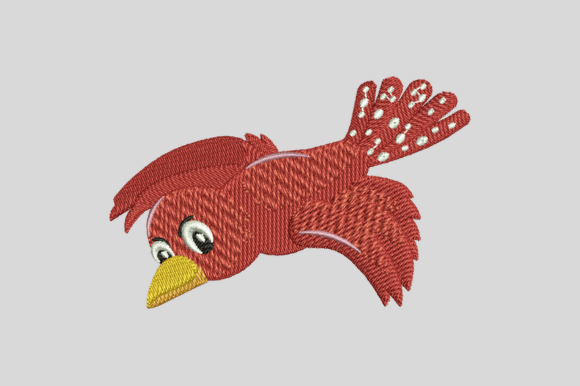
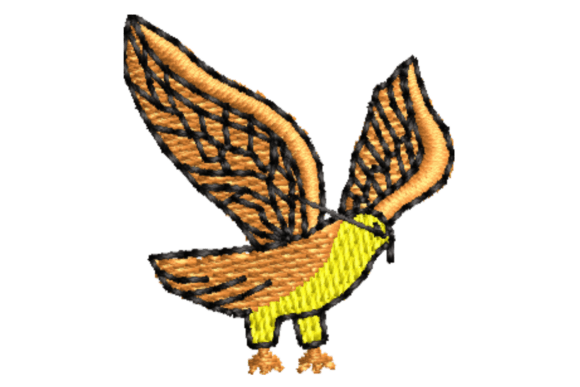
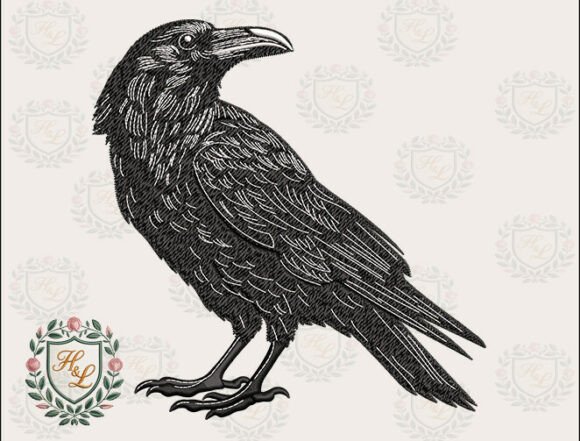
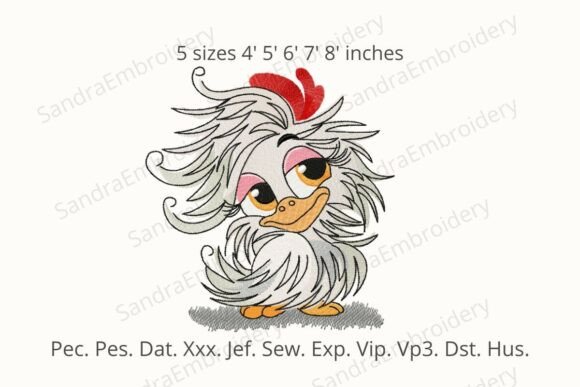
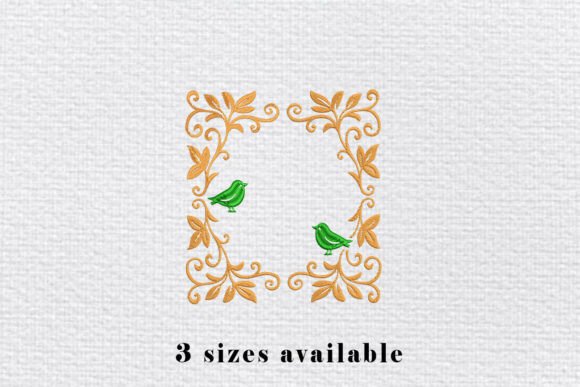
When I opened the Bird Frame Embroidery Design, my first thought wasn’t “cute” or “trendy”—it was “settled.” This isn’t a design shouting for attention. It’s balanced, with clean outer framing and a centered bird motif that breathes within negative space. The lines are precise but not rigid; the curves feel intentional, not automated. As someone who stitches dozens of designs each month for client projects and small-batch merchandise, I appreciate how this one avoids visual clutter—no excessive fill stitch density, no tiny floating elements begging to vanish in the hoop. It reads clearly at 3.5 inches wide, which makes it versatile across tote bags, pillow covers, and even baby onesies without scaling into illegibility.
Where It Shines: Real Projects, Real Reactions
Last week, I tested the Bird Frame Embroidery Design on a natural linen tea towel for a local boutique’s spring collection. The result? Customers paused mid-aisle—not because it was flashy, but because it felt *considered*. That quiet elegance translates directly into perceived value. I’ve used it similarly on unbleached cotton aprons (stitched in ecru thread), lightweight sweatshirts (with light tear-away stabilizer), and as an embroidered patch sewn onto denim jackets. In every case, the framing gives structure, while the bird adds warmth without leaning into cliché. For Etsy sellers offering personalized gifts, this design works beautifully on nursery pillows or baby milestone blankets—especially when paired with soft pastel thread colors and minimal backing.
Why It Fits Small Business Branding So Well
If you’re curating a cohesive line of handmade products—say, kitchen textiles or slow-fashion accessories—the Bird Frame Embroidery Design acts like a subtle signature. It’s recognizable without being overused. Unlike dense floral motifs that compete with fabric texture, this design respects the material beneath it. That matters when your customers scroll through dozens of listings: clarity builds trust. A well-executed Bird Frame Embroidery Design signals craftsmanship, not just convenience. I’ve seen repeat buyers specifically request it by name after receiving a custom embroidered tote bag—proof that simplicity, done right, becomes memorable.
Where to Proceed Thoughtfully
This isn’t a one-size-fits-all embroidery file. Its strength lies in restraint—and that means certain applications need extra care. On highly textured fabrics like bouclé or thick terry cloth, the fine outer frame can soften or blur unless you adjust stabilizer layers (I recommend medium-weight cutaway + topping). On stretchy knits—think baby bodysuits or fitted tees—test stitch tension first; too much pull distorts the symmetry. And avoid placing it near seams, curved edges, or tight corners on caps or structured bags: the frame’s clean geometry fights against distortion there.
Dark fabrics demand attention too. Because the design relies on shape and contour rather than heavy fill, low-contrast thread (e.g., charcoal gray on navy) risks disappearing. Always test thread colors on scrap fabric under natural light—not just your screen. Also, skip using it as a standalone element on ultra-thin fabrics like voile or rayon challis without proper backing; the satin stitch sections may show through or pucker without support.
Design Notes Every Embroiderer Should Check Before Stitching
- Test on scrap fabric first—especially if stitching on something new like organic cotton poplin or recycled polyester twill.
- Review stitch density in your embroidery software: look for any unusually tight clusters near the bird’s eye or wingtips that might cause thread breaks or fabric stress.
- Confirm hoop size compatibility before loading—some versions of this design fit snugly in a 4x4 hoop, others need 5x7. Don’t assume.
- Inspect small details at actual stitch-out size: does the beak read clearly? Are frame corners crisp, or do they feather?
- Try black-and-white mockups to assess contrast and silhouette—this reveals whether the design holds up in minimalist branding or monochrome product photography.
- Use appropriate stabilizer: light tear-away for stable wovens, cutaway for knits, and water-soluble topping for pile fabrics.
- Verify licensing terms before selling finished items commercially or listing the digital embroidery file itself—this is especially critical for Etsy sellers and craft fair vendors.
More Than a Pattern—It’s a Design Decision
Choosing the Bird Frame Embroidery Design isn’t just about adding decoration—it’s choosing tone, pacing, and intentionality. It doesn’t scream “look at me,” but it lingers in memory. That makes it ideal for products where emotional resonance matters more than instant impact: wedding guest towels, heirloom baby blankets, boutique-branded aprons, or personalized holiday gifts that feel handmade, not mass-produced. When stitched cleanly, it elevates a simple tote bag from functional to giftable. It turns a plain sweatshirt into something quietly special—exactly what today’s thoughtful buyers respond to.
For embroidery designers building a library of reliable, sellable assets, this is the kind of machine embroidery design that earns repeat use—not because it’s trendy, but because it’s trustworthy. It performs consistently, photographs well, and scales gracefully across formats. Just remember: its quiet confidence only shines when you give it the right fabric, stabilizer, and attention to detail. Treat it like the considered design it is—not just another embroidery file.