Cute Coquette Duck Embroidery Design
First Impression: Playful Charm Meets Professional Polish
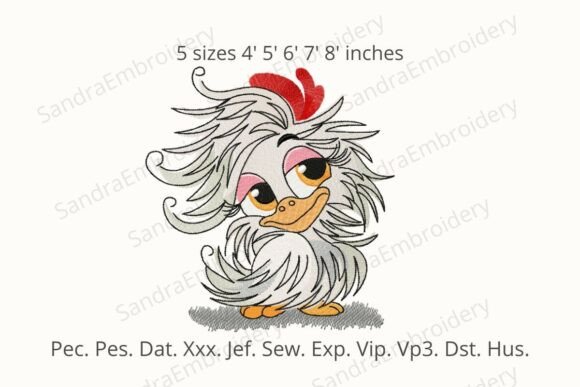
As an embroidery designer who’s digitized and stitched thousands of commercial projects—from café aprons to boutique tote bags—I immediately recognize the Cute Coquette Duck Embroidery Design as more than just a decorative motif. Its title signals intentionality: “coquette” suggests gentle charm and approachable elegance, while “cute duckling” grounds it in warmth and accessibility. Based on the description—“fluffy baby duck with expressive eyes and soft feathers”—this isn’t a cartoonish or overly simplified bird. It leans into refined cuteness: balanced proportions, thoughtful eye detail, and implied texture in the feather rendering. That makes it unusually versatile for small business merch: friendly enough for a children’s bookstore or pet brand, yet polished enough for a floral studio’s staff uniforms or a local bakery’s embroidered caps.
Real-World Performance Across Business Touchpoints
The Cute Coquette Duck Embroidery Design shines where personality meets practicality. On woven embroidered patches, its clean silhouette and moderate detail hold up beautifully—even at 2.5” height—making it ideal for sew-on branding on tote bags, denim jackets, or boutique packaging tags. As a chest logo on staff aprons or work shirts, it communicates care and craftsmanship without overwhelming the garment. For cap embroidery, position it thoughtfully on the front panel (not the curve-heavy crown) and pair it with subtle thread colors—soft sage, warm oat, or deep navy—to reinforce brand cohesion rather than distract.
For custom apparel lines sold on Etsy or at local markets, this design adds instant handmade appeal. Stitched onto linen tea towels, organic cotton onesies, or canvas market bags, it elevates perceived value—not by looking expensive, but by feeling intentional and joyful. As a sleeve detail or pocket accent, it creates visual rhythm without competing with primary branding. And because it belongs to the Birds category within Embroidery, it fits naturally into nature-inspired brand ecosystems: florists, garden centers, eco-conscious studios, or even veterinary clinics seeking lighthearted, non-clinical identity cues.
Where to Use It Thoughtfully—Not Just Automatically
Even charming designs demand strategic placement. The Cute Coquette Duck Embroidery Design includes soft feather textures and expressive eyes—details that rely on stitch definition. Avoid shrinking it below 1.75” for embroidered patches or cap fronts; fine features may blur or fill in, losing its signature expressiveness. On highly textured fabrics like heavy twill or looped terry cloth, test stitch density first—tight fills can flatten dimension, while loose stitches may snag. Dark uniforms (charcoal, navy, black) require high-contrast thread colors—think creamy off-white or pale buttercup—to ensure visibility after repeated washing.
Curved surfaces—like the front of structured caps or rounded ceramic mugs with fabric wraps—also need attention. Digitally, verify that outlines remain crisp across gentle arcs; if the original machine embroidery design wasn’t optimized for curvature, minor re-digitizing may be needed. And always confirm whether the digital embroidery file includes underlay stitching suitable for lightweight or stretchy substrates—critical for baby clothes or knit tote bags.
How It Strengthens Brand Identity—Beyond Aesthetics
In small business branding, consistency builds trust—and memorability builds loyalty. The Cute Coquette Duck Embroidery Design works because it’s distinctive without being obscure. Customers remember the duck, not just the shop name. When repeated across aprons, tote bags, and product packaging accents, it becomes a quiet signature—like a bakery’s flour-dusted logo or a florist’s hand-tied ribbon motif. That repetition fosters visual consistency across touchpoints, signaling professionalism even in handmade product contexts.
It also invites engagement: customers photograph embroidered totes and share them organically; staff wear branded caps with genuine pride; gift buyers choose items featuring the duck as keepsakes. Unlike generic icons, this design carries emotional resonance—sweetness, innocence, care—that aligns seamlessly with values-driven brands. That alignment doesn’t just look good—it deepens buyer connection and reinforces perceived authenticity.
Practical Designer Notes Before You Stitch
Before committing to bulk production, treat the Cute Coquette Duck Embroidery Design like any professional commercial embroidery asset:
- Test in black and white first—verify contrast and clarity without color bias.
- Check patch-size viability—stitch a 2” version on your target fabric to assess detail retention.
- Review thread color contrast—especially against dark or busy backgrounds.
- Inspect spacing and jump stitches—ensure no awkward gaps or unnecessary trims.
- Confirm hoop size compatibility—match it to your most-used hoops to avoid re-hooping mid-production.
- Test on real fabric—with proper stabilizer—since tension behaves differently on cotton duck vs. polyester twill.
- Create a printable mockup for client approval before stitching live inventory.
- Compare it beside other design assets—does it harmonize with your font choices, logo scale, and overall palette?
- Confirm commercial licensing—if you’re reselling finished goods, ensure your license covers end-product use.
Remember: the strength of any embroidered patch or apron embroidery lies not just in how it looks—but in how reliably it performs across dozens of garments, wash cycles, and customer interactions. The Cute Coquette Duck Embroidery Design earns its place in your design assets library when treated with that same operational respect. Stitch it right, and it won’t just decorate your merchandise—it’ll represent your brand’s warmth, attention to detail, and quiet confidence.