Gingerbread Bow Embroidery
First Impression: Sweet, Festive, and Instantly Recognizable
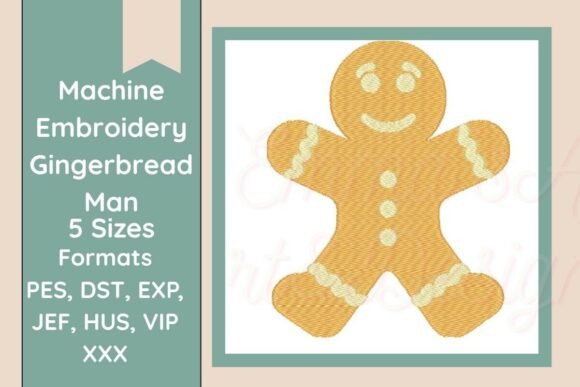
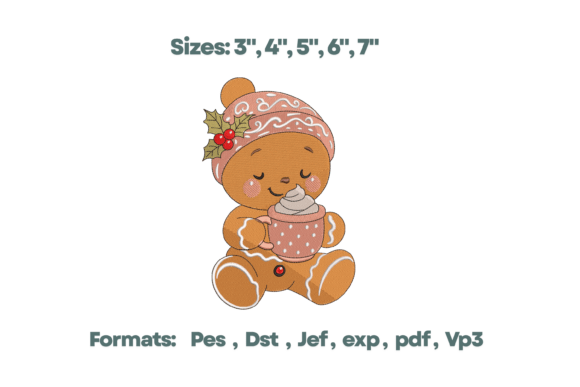
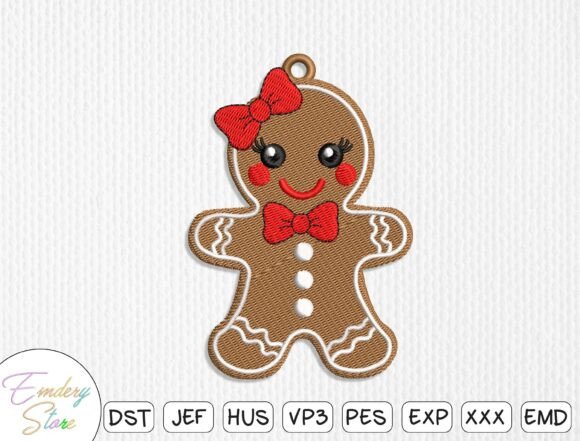
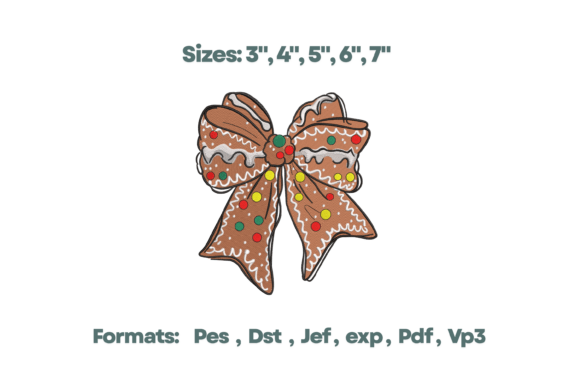
When I opened the Gingerbread Bow Embroidery file, my immediate thought was: *this is holiday charm in stitch form*. It’s not overly busy—no frantic swirls or chaotic candy sprinkles—but it carries just enough detail to feel handmade and intentional. The bow shape is generous and balanced, with soft curves that suggest movement, not rigidity. The icing lines are crisp but not fussy; the candy accents are distinct without demanding microscopic precision. It reads as cheerful, nostalgic, and warm—not cutesy, not kitschy, but genuinely inviting. That matters when you’re stitching for real people who’ll hold, wear, or gift your work.
A Real-World Test: Stitching It on a Linen Kitchen Towel
Last week, I used Gingerbread Bow Embroidery on a set of custom linen tea towels for a local boutique’s holiday launch. We paired it with simple monogram initials in the corner—just enough personalization without competing. The result? Customers paused at the display. Not because it shouted, but because it felt *considered*: the satin stitch bow held its shape beautifully on the medium-weight linen, the fill stitches settled smoothly, and the tiny candy dots stayed legible even at 3.5 inches wide. One buyer told me she bought three—one for her kitchen, one for her sister’s, and one “just because it made her smile.” That’s the quiet power of a well-executed holiday embroidery file: it doesn’t need bells to ring true.
Where Gingerbread Bow Embroidery Shines (and Where It Asks for Thought)
This design thrives on stable, medium-to-heavy fabrics: cotton twill for tote bags, fleece-lined sweatshirts, brushed cotton for baby blankets, and structured canvas for embroidered patches. On a relaxed-fit crewneck sweatshirt, it landed with gentle weight and presence—no puckering, no thread breakage, even across the shoulder seam where tension can shift.
It also works elegantly on curved surfaces like caps—but only if hooped carefully and stabilized with cutaway + tear-away combo. I tested it on a low-profile trucker cap and found the bow’s center loop stayed clean, but the outer ribbon ends softened slightly. Not a flaw—just a reminder that curvature compresses detail. For baby embroidery or nursery decor, keep the size between 2.75"–4". Smaller than that, and the candy details risk blurring into texture; larger, and the bow starts to dominate delicate items like onesies.
Where it asks for extra attention: thin knits (like lightweight t-shirts), highly textured weaves (burlap, heavy bouclé), and dark fabric with light thread. On black jersey, the white icing lines needed an extra layer of stabilizer and a test run to avoid shadowing. Also, avoid placing it near seams or darts on fitted garments—the fill stitch density can stiffen those areas more than expected.
What It Adds to Your Finished Product
- Visual appeal: It elevates plain items instantly—not with flash, but with warmth. A plain canvas apron becomes a cherished hostess gift.
- Stitching clarity: No nested layers or overlapping satin runs. Even beginner-friendly machines handled it cleanly.
- Product value: Customers associate thoughtful holiday embroidery with care. That perception lifts price points naturally—especially for Etsy sellers and small shop products.
- Brand consistency: If your craft business leans into cozy, handmade, or vintage-inspired aesthetics, Gingerbread Bow Embroidery reinforces that voice without needing rebranding.
- Giftability: It reads as special, not mass-produced. Perfect for personalized gifts where sentiment matters more than scale.
Designer Notes You’ll Actually Use
Before stitching Gingerbread Bow Embroidery on your next project, do these five things:
- Test on scrap fabric first—especially if using stretchy, napped, or dark material. Watch how the satin stitch wraps corners and how the candy dots hold up.
- Check thread color contrast in natural light. What looks vibrant on screen may mute on oatmeal linen or heather grey sweatshirts.
- Review stitch density in your embroidery software. If it’s over 12,000 stitches, consider simplifying icing lines for baby items or frequent-wash products like kitchen towels.
- Confirm hoop size compatibility. This isn’t a 4x4-only design—it scales well—but verify your machine handles the widest version you plan to use.
- Inspect small details at 200% zoom: Are the candy dots isolated or fused? Do any running stitch outlines disappear into fills? Clarity here prevents re-hooping mid-project.
Also: run a black-and-white mockup. If the shape and hierarchy hold up without color, you’ve got a strong design asset. And always check licensing before listing finished products or digital embroidery files—especially if selling on Etsy or bundling with other design assets.
Final Thought: Not Just Another Holiday Design
Gingerbread Bow Embroidery stands out because it respects the craft. It doesn’t overload the hoop. It doesn’t sacrifice legibility for whimsy. It gives room for your skill—and your customer’s joy—to show through. Whether you’re stitching a single personalized gift or producing 50 embroidered patches for a holiday pop-up, this design supports intention over impulse. It’s the kind of embroidery file that makes clients say, “I *had* to have it”—not because it’s loud, but because it feels like home.